.svg)


.png)
.png)


.svg)




.png)
.png)
Simplifying Stakeholder Collaboration with BIM Tools
Discover how BIM tools improve collaboration between stakeholders and how CUBE leverages BIM-driven workflows to reduce miscommunication and deliver better construction outcomes.


In today’s complex construction environment, success depends on how effectively stakeholders work together, not just how flawlessly they plan everything, for execution relies on collaboration. Architects, engineers, contractors, consultants, and project owners all contribute to a project’s success, but when these stakeholders function in isolation, the results can be chaotic, leading to miscommunication, design clashes, delays, and costly rework.
To overcome these challenges, the industry is rapidly moving towards digital, model-based collaboration, led by Building Information Modelling (BIM). BIM tools don’t just help you build better, they help you build together.
BIM: From Design Tool to Collaboration Backbone
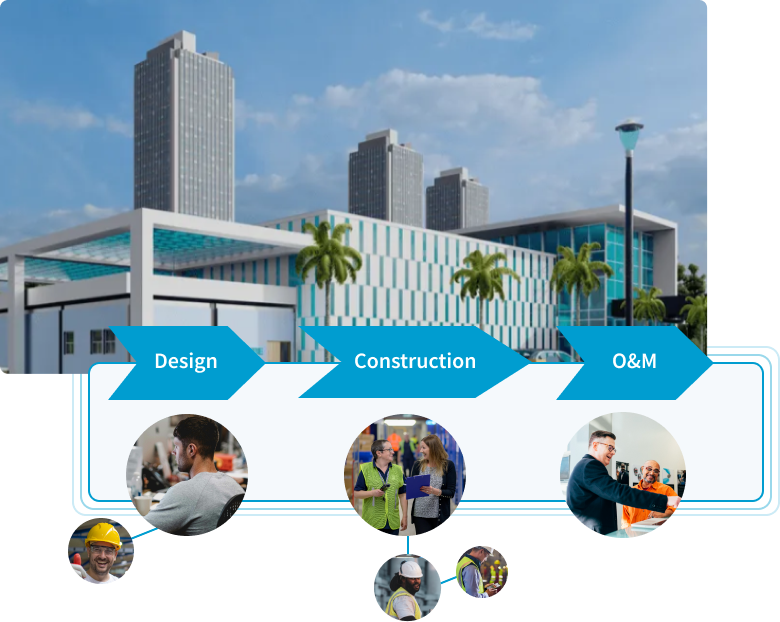
Building Information Modelling (BIM) started as a way to create 3D designs, but it has now evolved into a powerful collaboration system that keeps all stakeholders on the same page, in real time.
Unlike traditional methods where drawings are exchanged over endless email threads and stakeholders continuously battle outdated information, BIM enables teams to wield ecosystems that offer a shared, data-rich experience where everyone can access, comment, modify, and approve information in a structured manner.
What is BIM Collaboration?
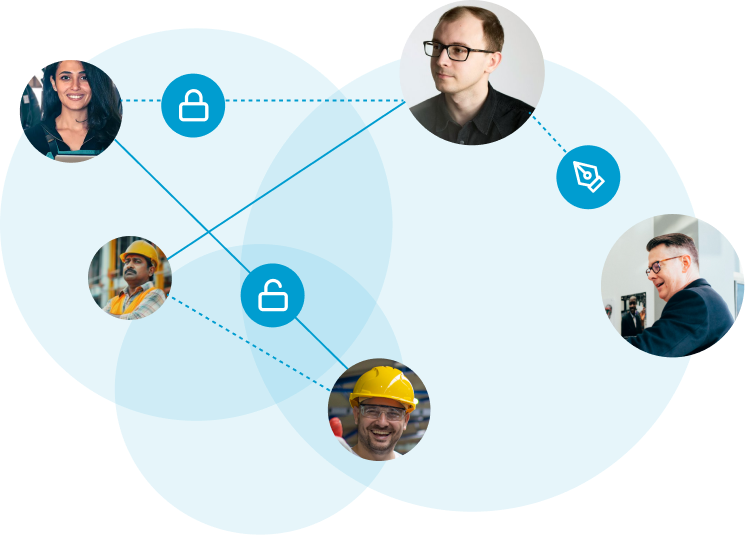
BIM collaboration means using coordinated digital models, smart workflows, and real-time communication tools to ensure seamless coordination between all project stakeholders, and across all phases of the project’s life cycle.
Rather than passing PDFs back-and-forth and risking version mishaps, BIM tools allow teams to employ platforms like CUBE, serving as a “single source of truth” where they can:
- View and work on shared 3D models
- Access up-to-date drawings and data
- Leave contextual comments and feedback
- Track revisions, approvals, and issues
- Make faster, more confident decisions
The core elements of BIM collaboration include:
- Shared 3D models enriched with project metadata
- Version control with complete revision history
- Design coordination (markups, RFIs, issue tags)
- Role-based access for secure, controlled collaboration
- Live information updates for all stakeholders
Why BIM Is Essential for Stakeholder Collaboration
1. Centralized Access
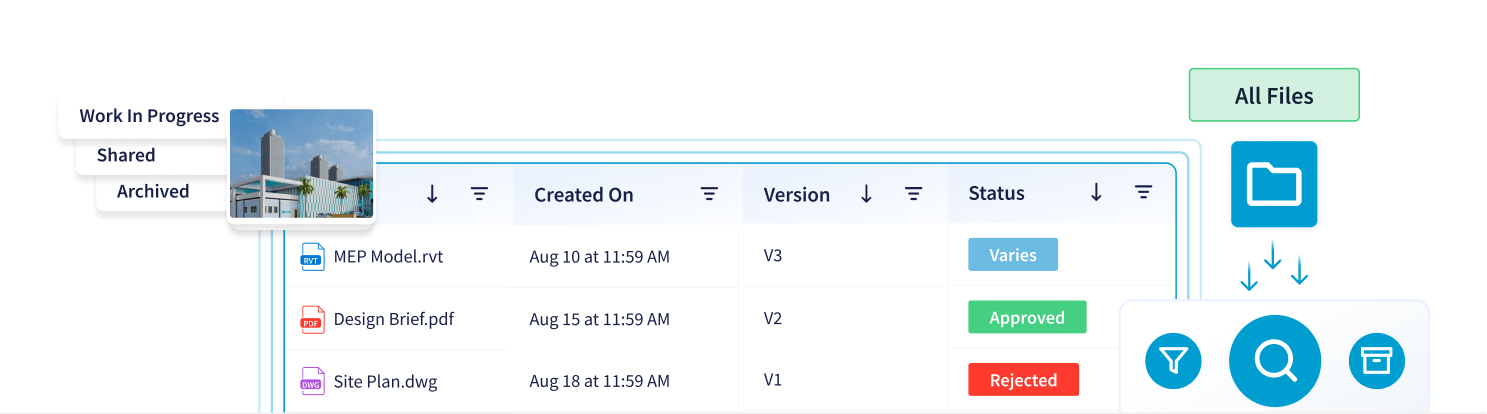
BIM tools break down silos by ensuring all teams work from one coordinated model instead of juggling dozens of file versions. Whether it’s architectural, structural, or MEP, everything stays perfectly aligned.
The result? No redundant rework. No ambiguity. No scope creep. No productivity leaks.
2. Faster Clash Detection & Resolution
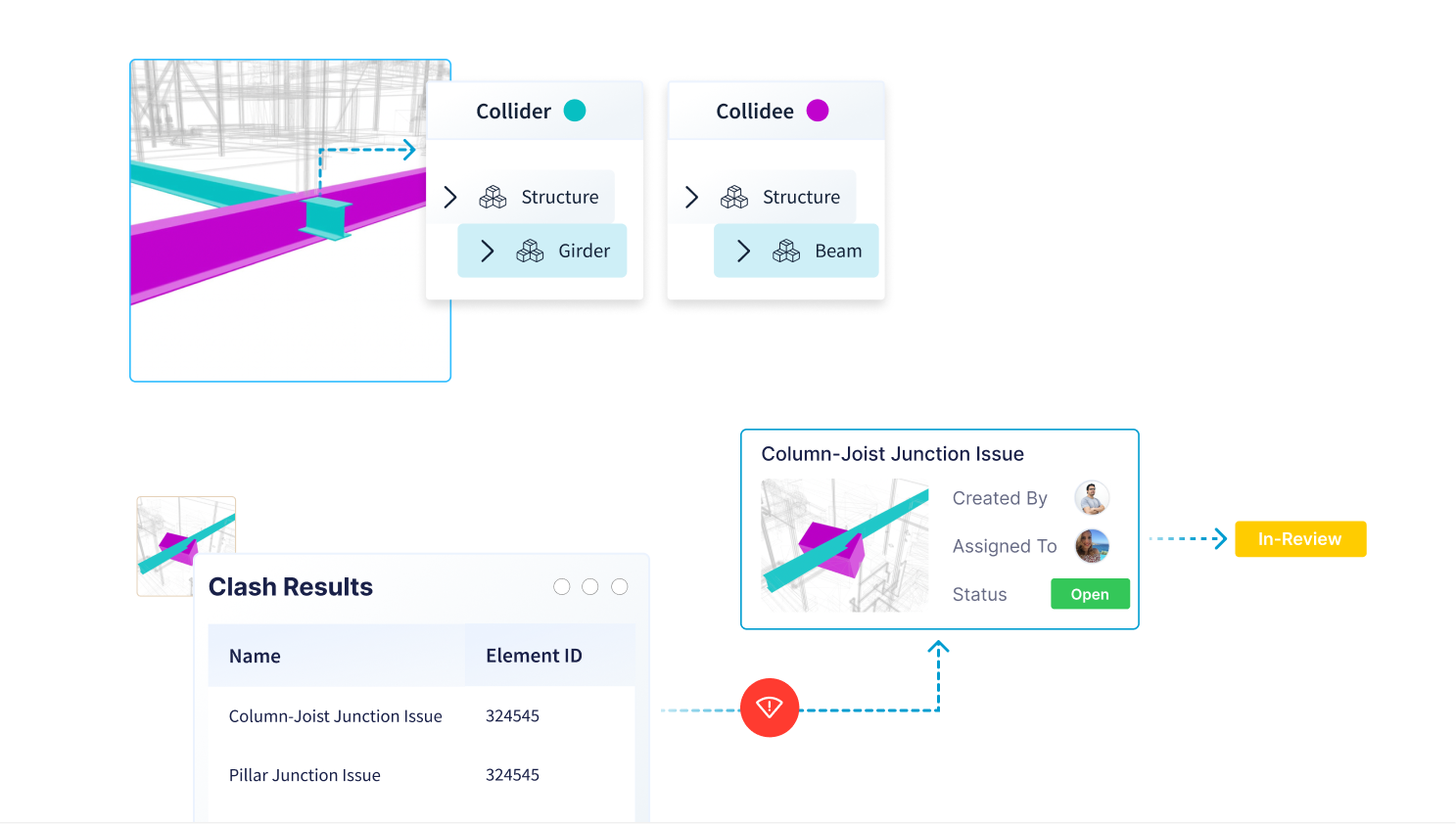
A major reason for construction delays is discovering clashes after execution begins. BIM tools allow you to federate multi-disciplinary models and detect conflicts (e.g., a pipe crossing a beam) virtually, allowing teams to resolve them much earlier in the project lifecycle, preventing them from escalating into costly rework and overruns.
3. Real-Time Stakeholder Input
With platforms like CUBE that support BIM-based workflows, design changes, RFI responses, and client inputs happen within a single platform. Everyone sees updates as they happen.
This drastically speeds up approvals, avoids fragmented communication, and keeps project momentum strong.
4. Built-In Accountability
BIM collaboration tools create a traceable log of every change made, who made it, and when. This transparency builds trust and eliminates conflicts that hamper many construction projects.
5. Beyond Design, Better Handover and Lifecycle Management
BIM’s value doesn’t end at construction. A well-maintained BIM model can be handed over to clients or facility managers with rich asset data. Equipped with asset information along with IoT and SCADA systems, they can help teams manage operations and maintenance proactively instead of reactively.
How CUBE Makes BIM Collaboration Seamless
CUBE provides an end-to-end construction management platform that brings BIM collaboration into everyday workflows across design, project delivery, field execution, and operations and maintenance.
1. Model Viewer Built for the Field and the Office
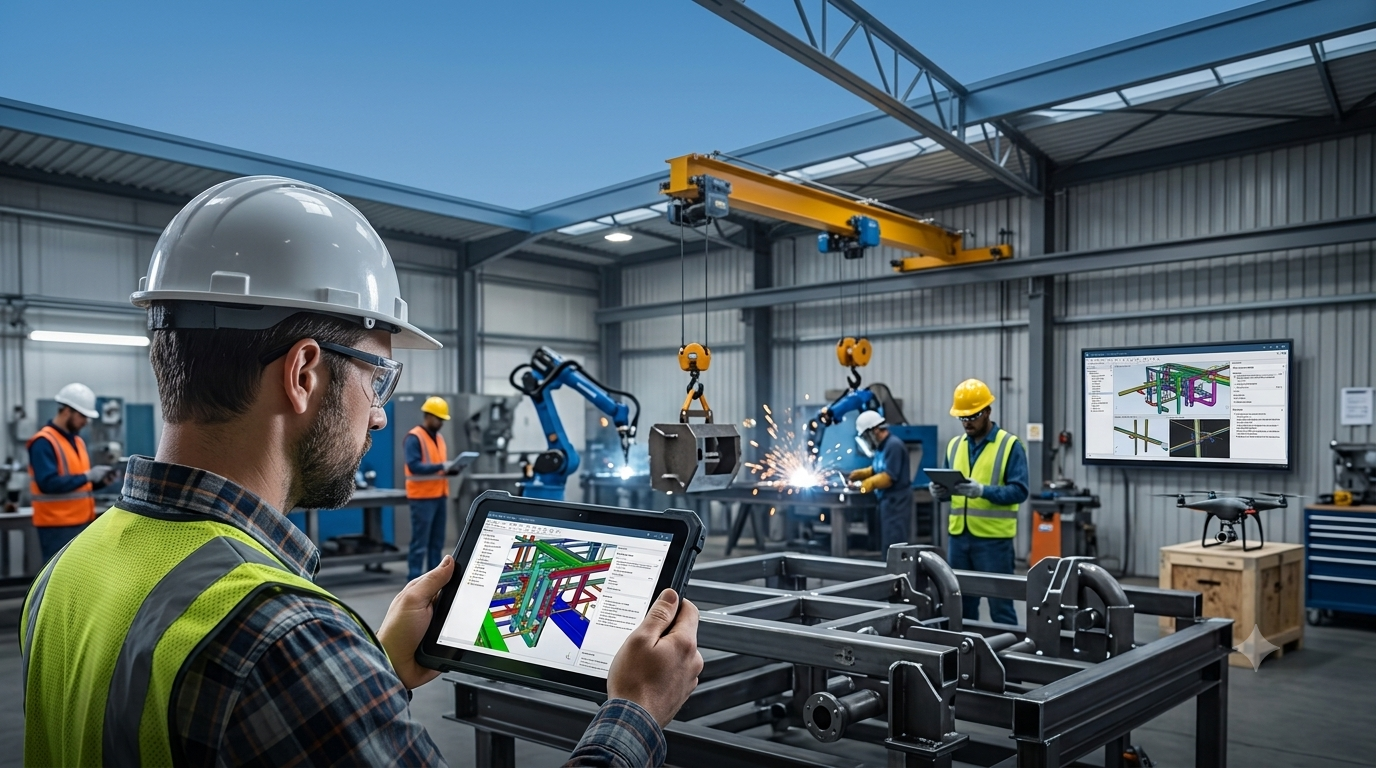
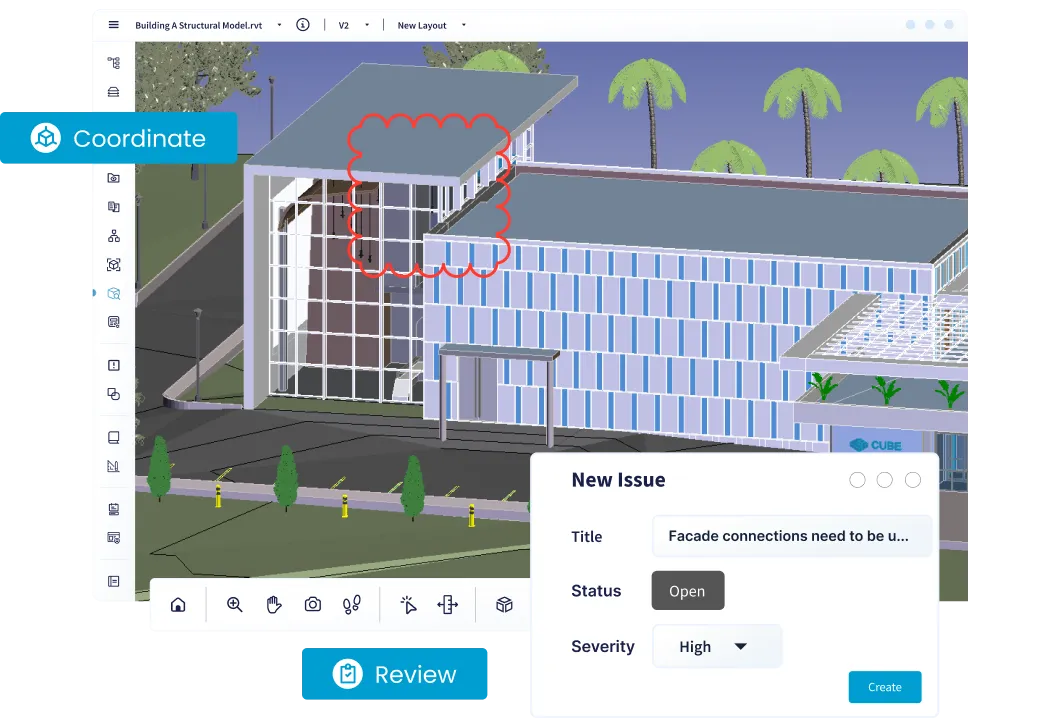
CUBE allows teams to access both 2D drawings and 3D BIM models directly in their browser, no heavy software required. Anyone from consultants in the office to engineers on site can zoom, section, and inspect models anytime, anywhere.
2. Issue Management That Keeps Everyone Accountable
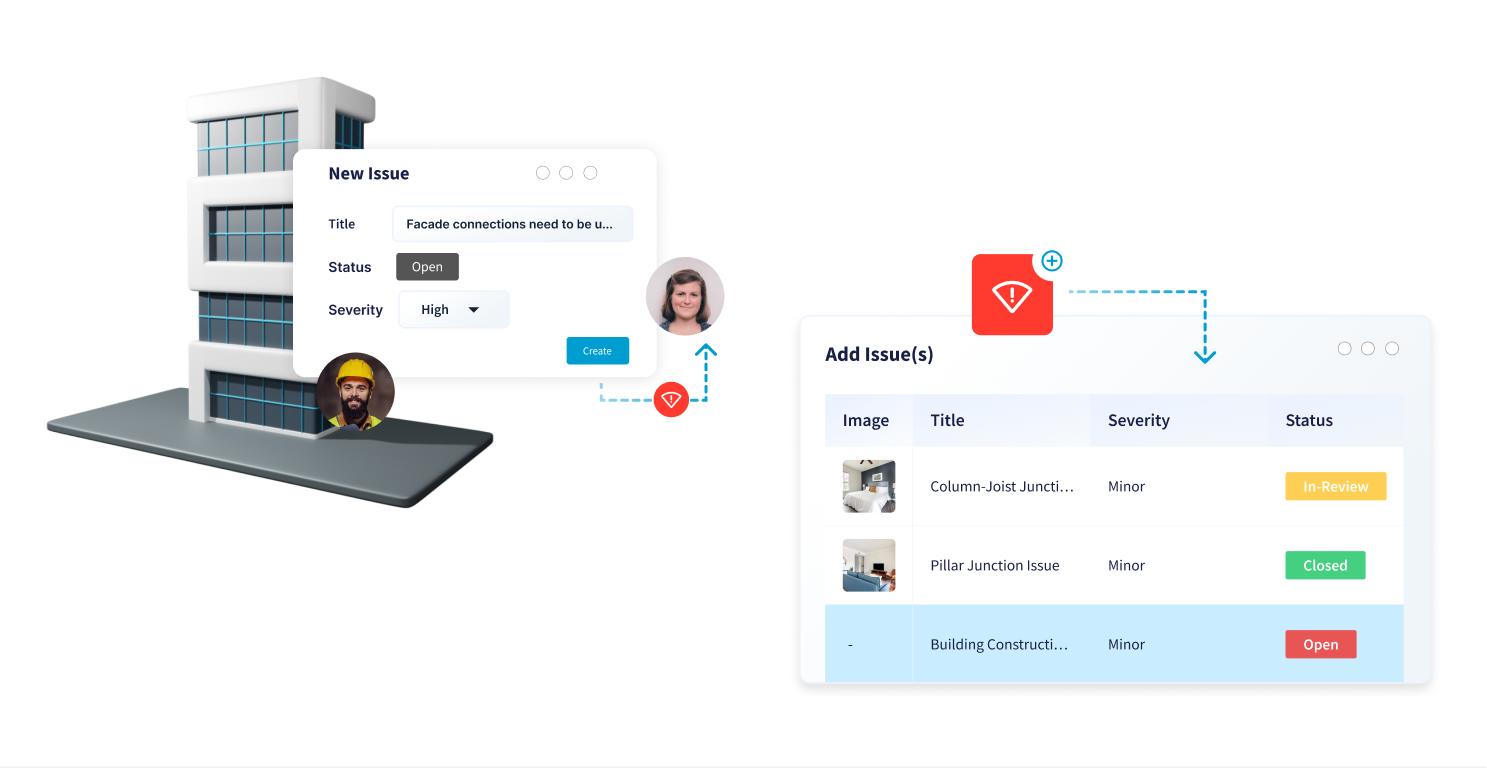
Stakeholders can raise issues directly on model elements, mark and annotate them, assign them to specific members of the team, add deadlines, and track progress. This contextual issue tracking eliminates confusion and ensures problems are resolved before they snowball into rework.
3. Automated Clash Detection & Coordination Meetings
CUBE helps you automatically detect clashes between as well as within disciplines and presents them in a coordinated manner. Cross-functional teams can then come together to resolve conflicts instantly, speeding up design coordination cycles.
4. Flexible Model Review & Approval Workflows
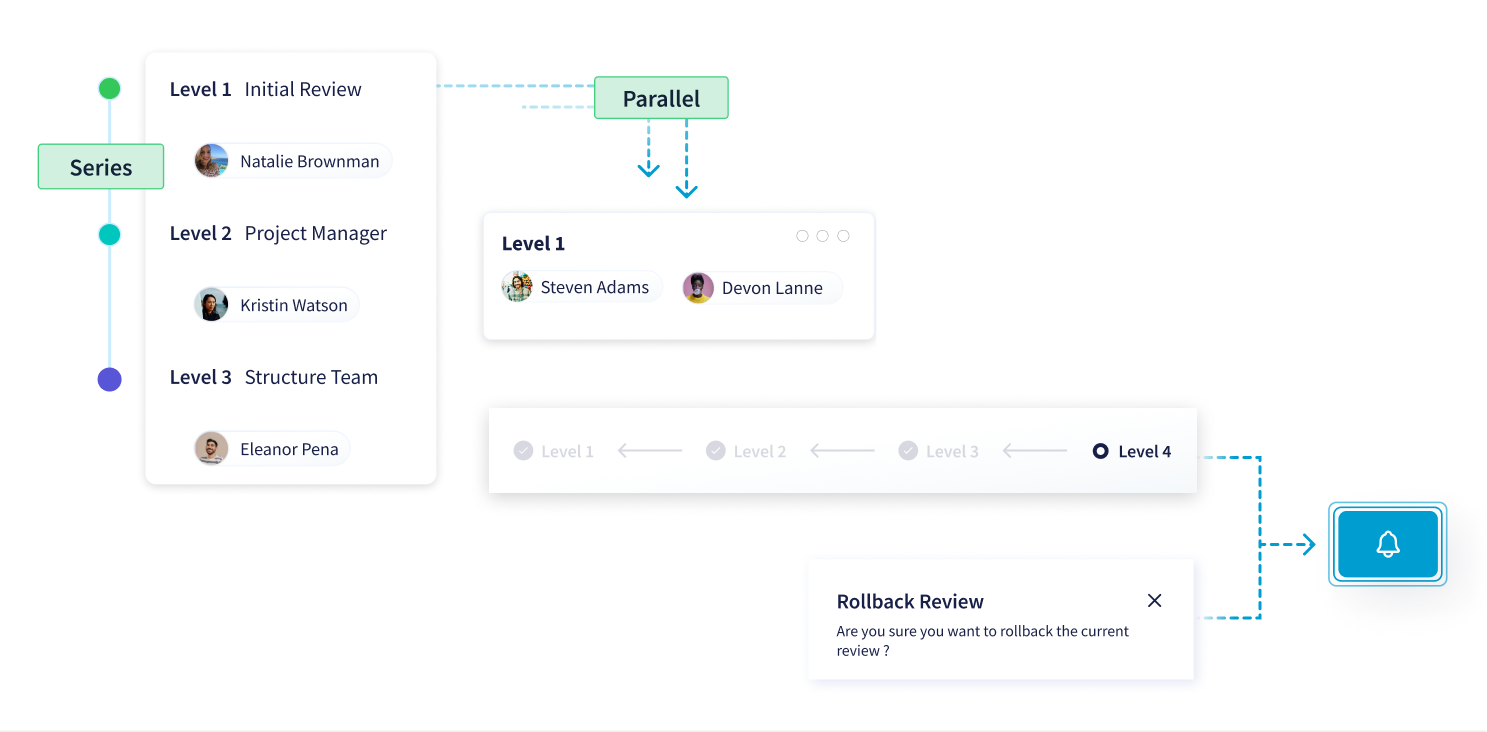
With configurable approval workflows, CUBE allows users to set up serial or parallel Reviews, build conditional skip/rollback steps, and automate notifications. Everyone always sees the latest approved model, ensuring design intent is preserved through execution.
5. BIM Connected to Execution Modules
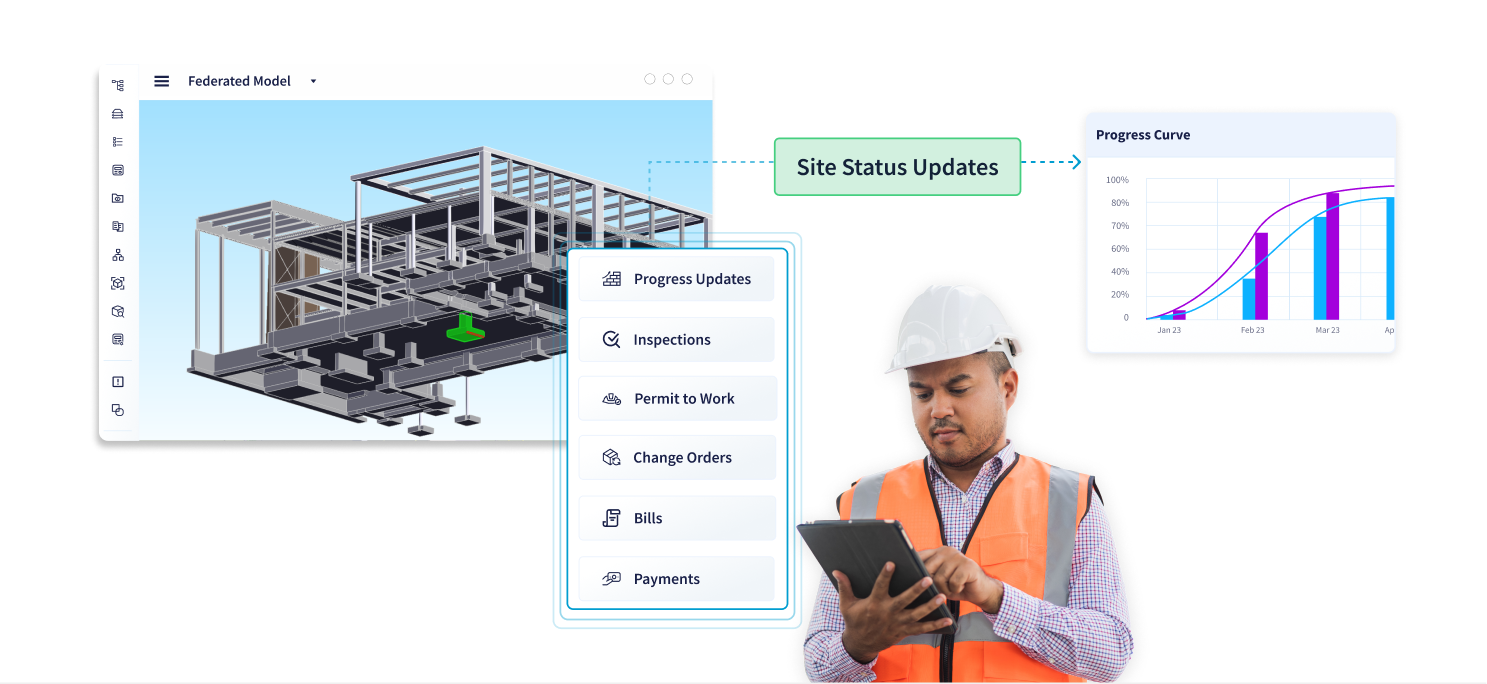
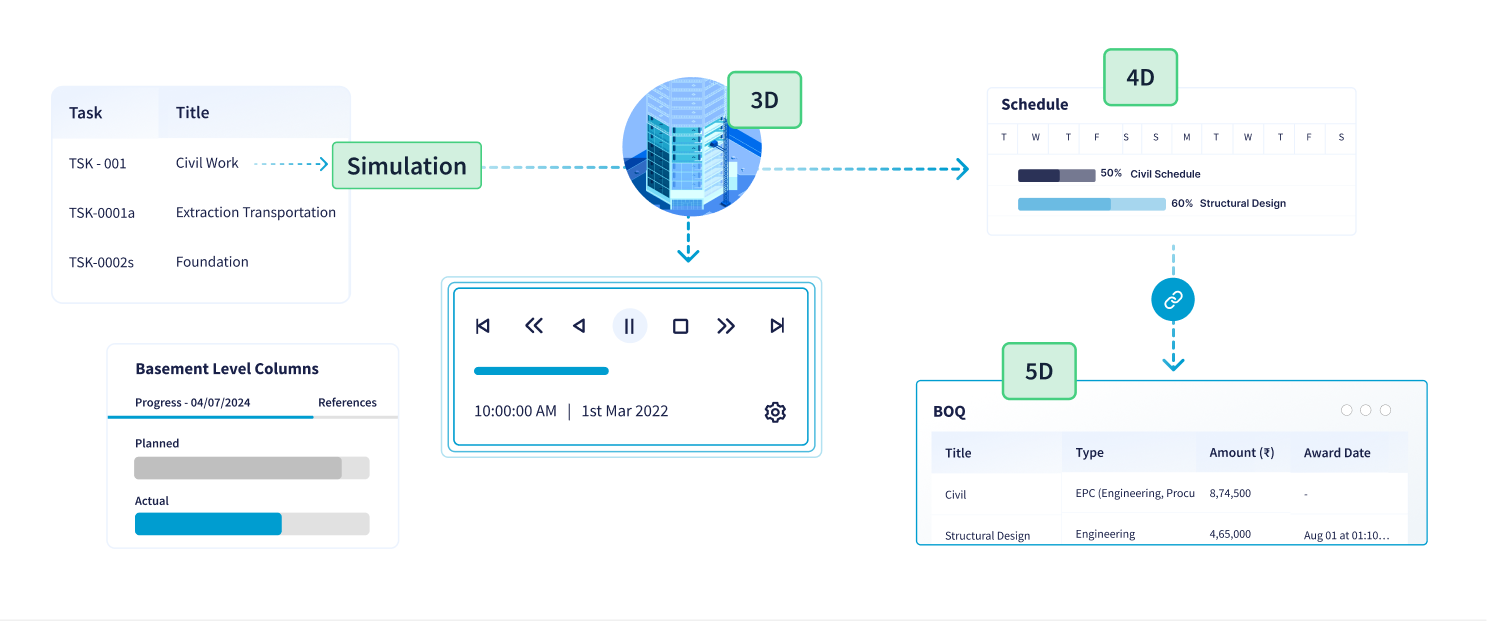
Unlike point-based legacy tools, CUBE links BIM with Schedules, BOQs and Estimates, Tasks, Inspections and field Progress. That means site teams and PMs don’t just see what needs to be built, they understand how it impacts timelines, budgets, and responsibilities in real time.
The Outcomes: Better Teamwork, Better Projects
By integrating tools like CUBE into your BIM collaboration workflows, your teams benefit from:
- Faster approvals and decision-making - BIM adoption reduces project timelines by an average of 20% and cuts design errors by 30%, keeping projects on schedule and decisions grounded in accurate data.
- Springer Nature – "The Impact of BIM on Project Time and Cost: Insights from Case Studies" (2025)
- Reduced rework and design-related delays - BIM implementation can reduce rework costs by 40–50%, catching conflicts digitally before they become costly on-site problems.
- Springer Nature – "The Impact of BIM on Project Time and Cost: Insights from Case Studies" (2025)
- Improved build quality and fewer site clashes - BIM-based clash detection reduces coordination issues and field errors by up to 40%, preventing costly surprises that derail schedules and inflate budgets.
- Dodge Construction Network – "Measuring the Impact of BIM on Complex Buildings"
- Higher trust and stronger stakeholder relationships - 63% of organizations report using BIM specifically to facilitate a collaborative project environment between all stakeholders, from project inception to closeout.
- buildingSMART International – BIM & CDE Industry Survey (2022)
In an industry where every minute and cent counts, BIM-enabled stakeholder collaboration is no longer a “nice-to-have”, it’s a fundamental advantage that top-performing teams depend on.
Who Can Benefit Most from BIM Collaboration?
- Project Owners: Gain total transparency and real-time visibility into model changes and approvals.
- Consultants & Designers: Coordinate seamlessly with other disciplines and avoid late-stage design clashes.
- Contractors & Site Teams: Access latest drawings and model revisions instantly to avoid costly mistakes.
- PMCs: Streamline RFIs, approvals, and progress monitoring with model-linked documentation.
- Facility Managers: Receive a data-rich digital twin of the built assets for smarter operations and maintenance, long after handover.
Ready to Transform Collaboration?
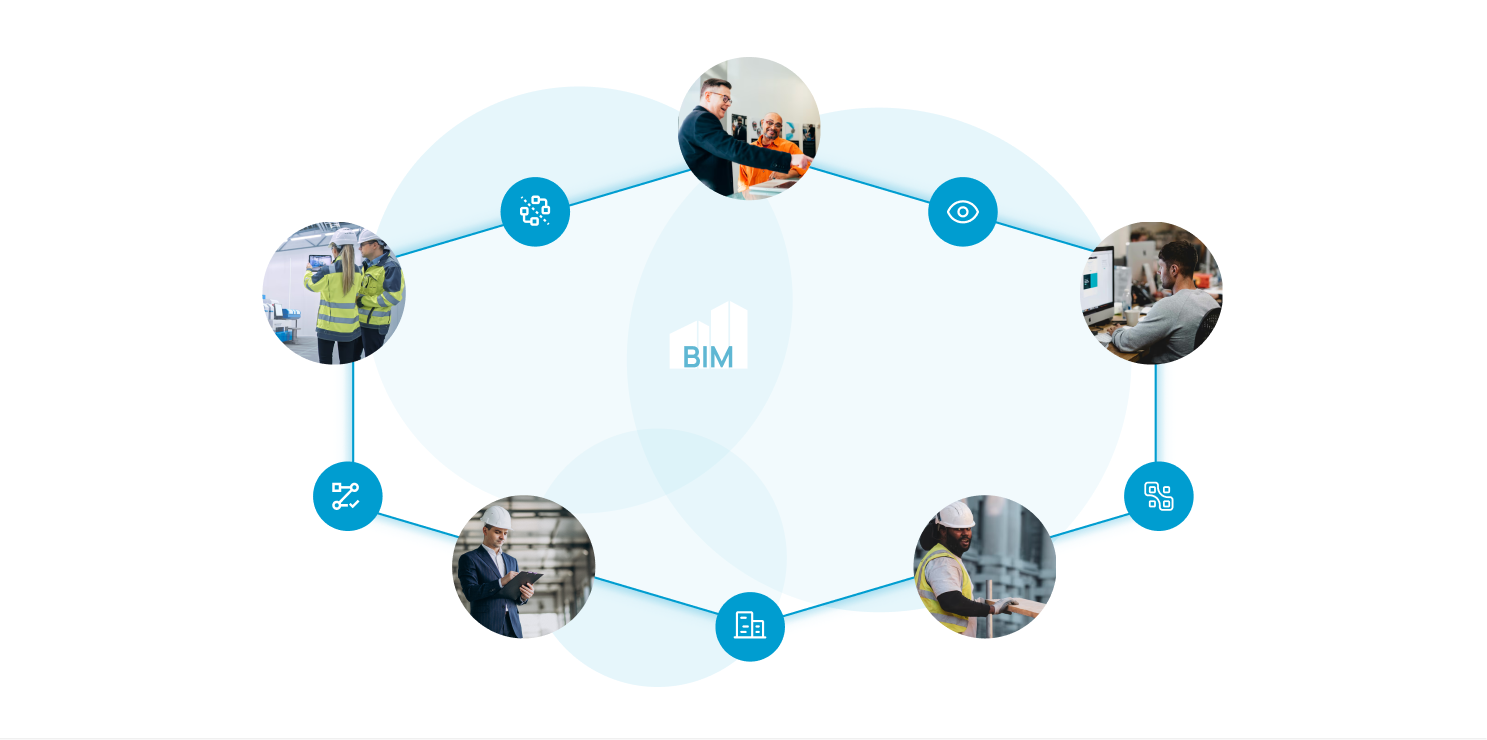
CUBE brings together BIM collaboration, cost control, scheduling, document management, and field execution into one integrated platform, designed for construction teams who want to deliver smarter, faster, and together.
Simplify stakeholder collaboration and future-proof your project delivery with CUBE. Book a demo today!