.svg)


.png)
.png)


.svg)





.png)


.png)
.jpg)
What I learned at AIBoomi Annual ‘26
Last week, I attended AIBoomi Annual ’26 in Chennai (formerly SaaSBoomi) and came back with a clearer view of how the SaaS playbook is changing in the AI era. In this post, I share 10 practical lessons—from shifting moats and the need for agent-ready systems, to auditability, pricing models, vertical focus, and protecting gross margins.


Last week I attended a conference I’d been meaning to go to for the past couple of years. Formerly called SaaSBoomi, it has recently rebranded to AIBoomi, reflecting the current wave of AI excitement.
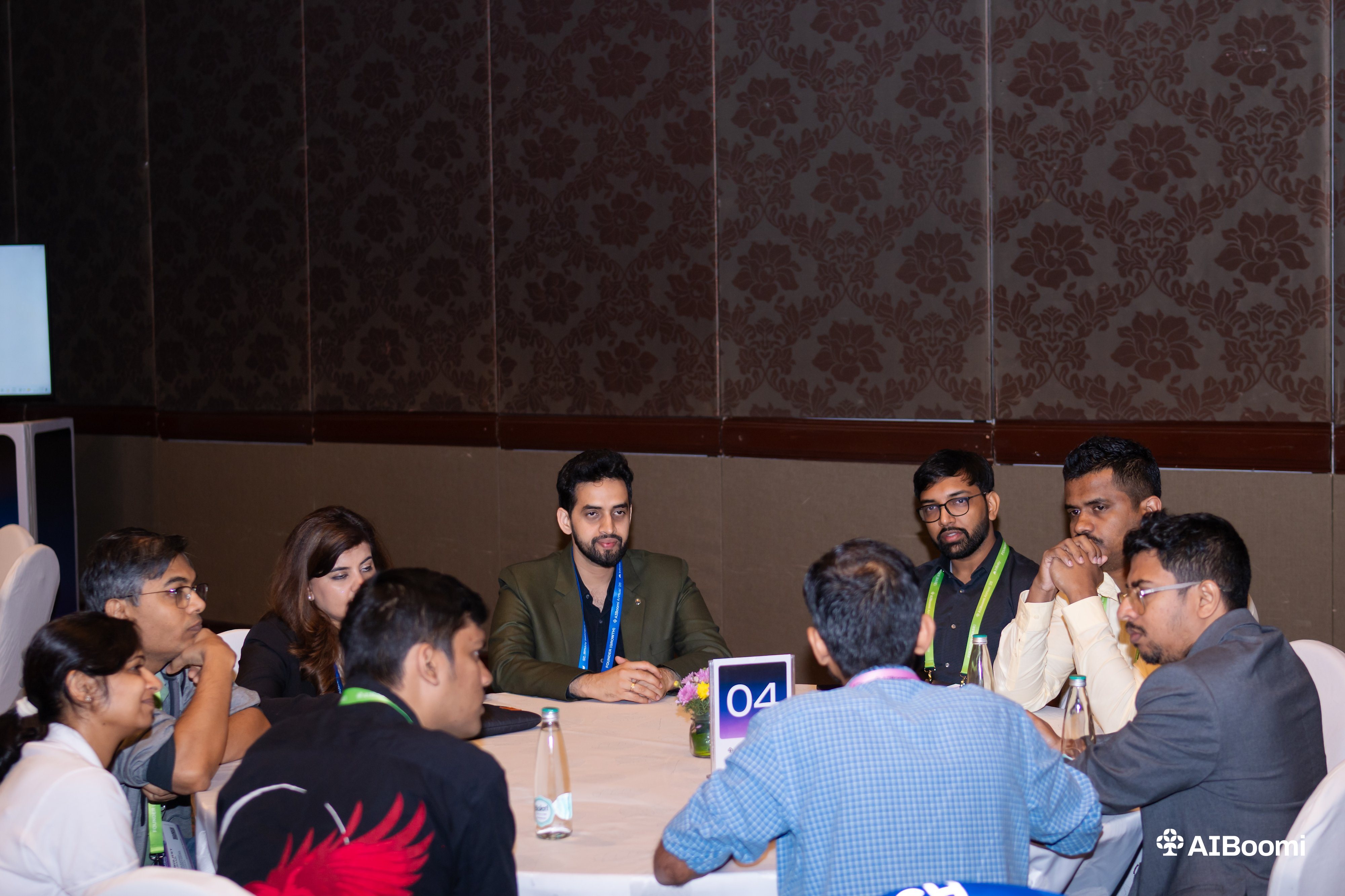
Most conferences I’ve attended have been domain-specific to the AEC industry, so this one felt like a breath of fresh air. The venue was full of SaaS founders trying to figure out how to ride the AI wave, alongside a smaller set of AI-native founders building next gen AI companies.
I met several builders navigating similar questions as myself and drew a lot of inspiration from founders who have already cracked the playbook. The keynote sessions by Vivek Raghavan, Co-founder of Sarvam AI and Anand Deshpande of Persistent Systems were the highlight for me.
Takeaways from the conference
Here are 10 lessons I took away from the 2 day conference in Chennai (and using to steer our roadmap and business strategy):
Moats are shifting.
Brand, distribution, as well as becoming a chokepoint in your infrastructure layer may matter more than the “data moats” people love to talk about.
Speed is still the superpower.
Small teams can outmaneuver big companies if they pick the right wedge and execute with discipline.
Build systems agents can use.
Fragmented data and weak querying kill agent workflows. The “system of record” isn’t going away. AI has to work with it. This presents a massive opportunity. (We’ve been building CUBE as a system of record right from the get go)
Validation and auditability are the new UX.
AI errors aren’t edge cases. Strong validation loops, logs, and review flows become the moat.
Pricing is now a product decision.
If your AI delivers measurable outcomes, value or outcome-based pricing becomes possible. If it’s human-in-the-loop, hybrid pricing (seats + usage or credits) is usually the right model.
Go vertical.
Horizontal AI is noisy and will be commoditized soon by the biggest players. Industry-specific AI with deep workflows is where defensibility and pricing power show up.
Design for habit, not just wow.
The winners won’t be the flashiest demos. They’ll be products with variable reward loops and real retention.
Guard your gross margins like a hawk.
AI can quietly turn “power users” into loss-makers. You need clarity on token economics, sensible limits, and pricing that matches your real cost to serve.
The SaaS playbook is getting rewritten.
Traffic → conversion → revenue breaks down when bots become the first “visitor.” Documentation, clarity, and machine-readable content matter more than ever.
Fundraising should be top-down.
Capital needs should flow from the vision and the “why now,” not just bottom-up dashboards.

In summary
AI isn’t just a feature in a SaaS product. It’s a new operating model for building products, pricing, distribution, and even how companies are structured.